

Consultation Brain Mapping
Unlock Insights Into Brain Function
Brain mapping is a non-invasive assessment that evaluates patterns of brain activity to provide a deeper understanding of cognitive performance and neurological function. By identifying areas of strength and imbalance, brain mapping consultations help create personalized recommendations designed to support overall brain health and wellness.
.avif)
What To Expect During Brain Mapping
During a brain mapping consultation, specialized technology is used to assess electrical activity within the brain. The information gathered helps create a visual representation of brain function, allowing providers to better understand individual patterns and develop customized recommendations.
Discussion of symptoms or goals
Consultation and discussion of symptoms or goals.
Non-invasive assessment
Non-invasive assessment of brain activity patterns.
Review of findings
Review of findings and personalized recommendations.
%202%20(1).avif)
Treatment Areas
Face
Volume loss in the midface, temples, under-eye hollows, cheeks, jawline and chin is one of the earliest structural signs of aging.
Facial fat grafting rebuilds that foundation rather than simply filling the lines it creates. Finely processed fat can also be used superficially to improve skin quality, texture and tone.
Neck
The neck thins and loses support over time, making cords and banding more visible. Carefully layered fat softens contour irregularities and improves the quality of the overlying skin.
Decolletage
The chest is one of the most sun-exposed and most neglected areas of the body. Crepey texture and fine vertical lines across the decollete respond well to superficial fat grafting, which adds both cushion and skin quality improvement.
Hands
Hands reveal age faster than almost any other area. As the fat pads on the back of the hand atrophy, tendons, veins and bony contours become prominent.
Fat grafting restores that lost cushion, softening the appearance of tendons and veins and improving skin quality at the same time.
.avif)
Understanding Your Results
Brain mapping may provide valuable information regarding attention, focus, stress response, cognitive performance, and overall neurological wellness. Findings are used to support individualized care planning and future wellness recommendations.
Before & After Results
%20(1).avif)
%20(1).avif)
%20(1).avif)
Why Patients Choose Brain Mapping
Patients choose brain mapping because it offers objective insight into brain function and helps guide personalized wellness strategies. The assessment is comfortable, non-invasive, and designed to support a deeper understanding of cognitive health.

After Treatment Care
No downtime is required following a brain mapping consultation. Patients can resume normal activities immediately after their assessment.
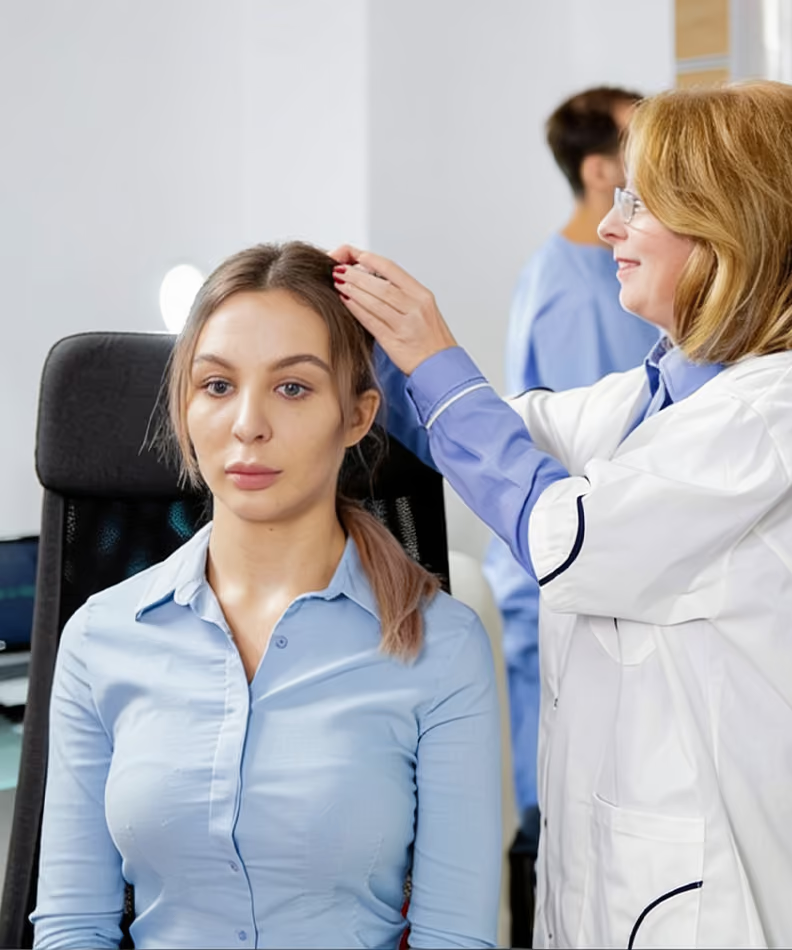
Arrive well-rested and provide any relevant health history or concerns that may help guide the consultation process. Bring a list of current medications, supplements, previous diagnoses, or recent medical evaluations if applicable, as these details may help provide a more comprehensive assessment. Avoid excessive caffeine or anything that may significantly affect your normal state unless otherwise instructed. Being prepared with questions and personal wellness goals will help your provider better understand your needs and create a more personalized evaluation.
.avif)
Review your results with your provider and discuss recommended next steps based on your personalized assessment findings. Depending on your evaluation, additional testing, lifestyle recommendations, or follow-up appointments may be suggested to further support your cognitive and overall wellness goals. Take time to review your personalized care plan, ask questions about any recommendations, and maintain open communication with your provider as you move forward. Consistent follow-up helps ensure your care plan remains aligned with your progress and long-term objectives.
Any Questions?
Brain mapping is a non-invasive assessment used to evaluate and visualize patterns of brain activity.
No. Brain mapping is a comfortable, non-invasive procedure.
Most brain mapping consultations take between 60 and 90 minutes.
Your provider will discuss findings and recommend personalized strategies based on your goals and assessment results.
Your provider will review your assessment findings and explain what they mean for your personalized wellness plan.
Yes. Repeat assessments may be recommended to monitor progress or evaluate changes over time.

Authenticity, Elevated
At Aesha Medical Aesthetics, every detail is guided by purpose. Combining advanced aesthetic expertise with a deeply personalized approach, we create an experience built on trust, education, and refined results. Our focus is simple: helping you feel confident, understood, and authentically yourself.