


Melasma Treatment in Jacksonville
Melasma is one of the most stubborn pigment conditions to treat, and one of the easiest to make worse.
At Aesha Medical Aesthetics in Jacksonville, melasma is treated by a physician, with a plan built around your skin and your skin tone rather than a single setting on a machine.
Melasma Is Not the Same as Sun Damage
Sun spots sit on the surface and respond quickly to most treatments. Melasma is different. It is driven by hormones, heat and visible light as well as sun exposure, it reaches deeper into the skin, and it has a strong tendency to come back.
Treating melasma as though it were sun damage is the single most common reason patients end up darker than when they started.
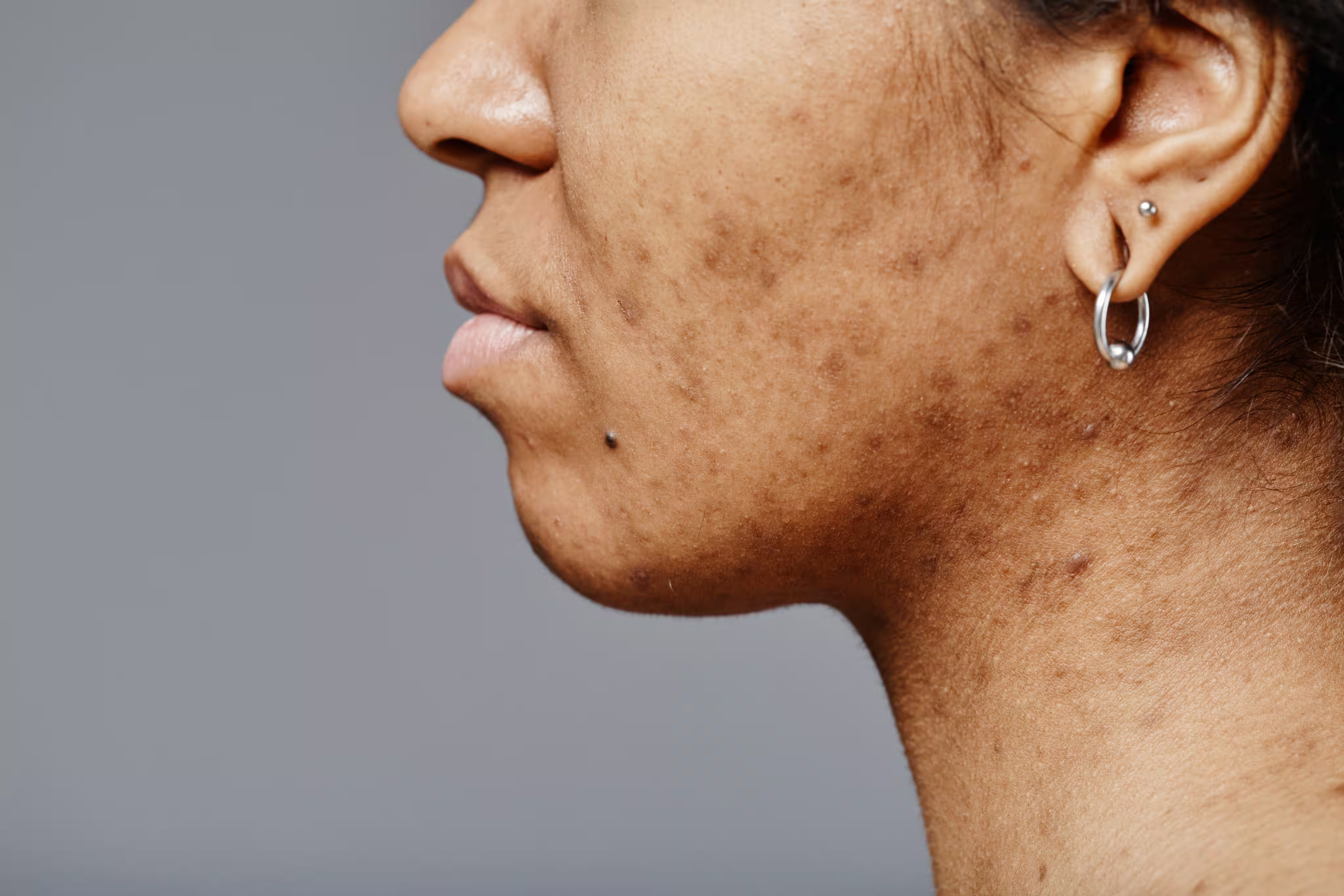
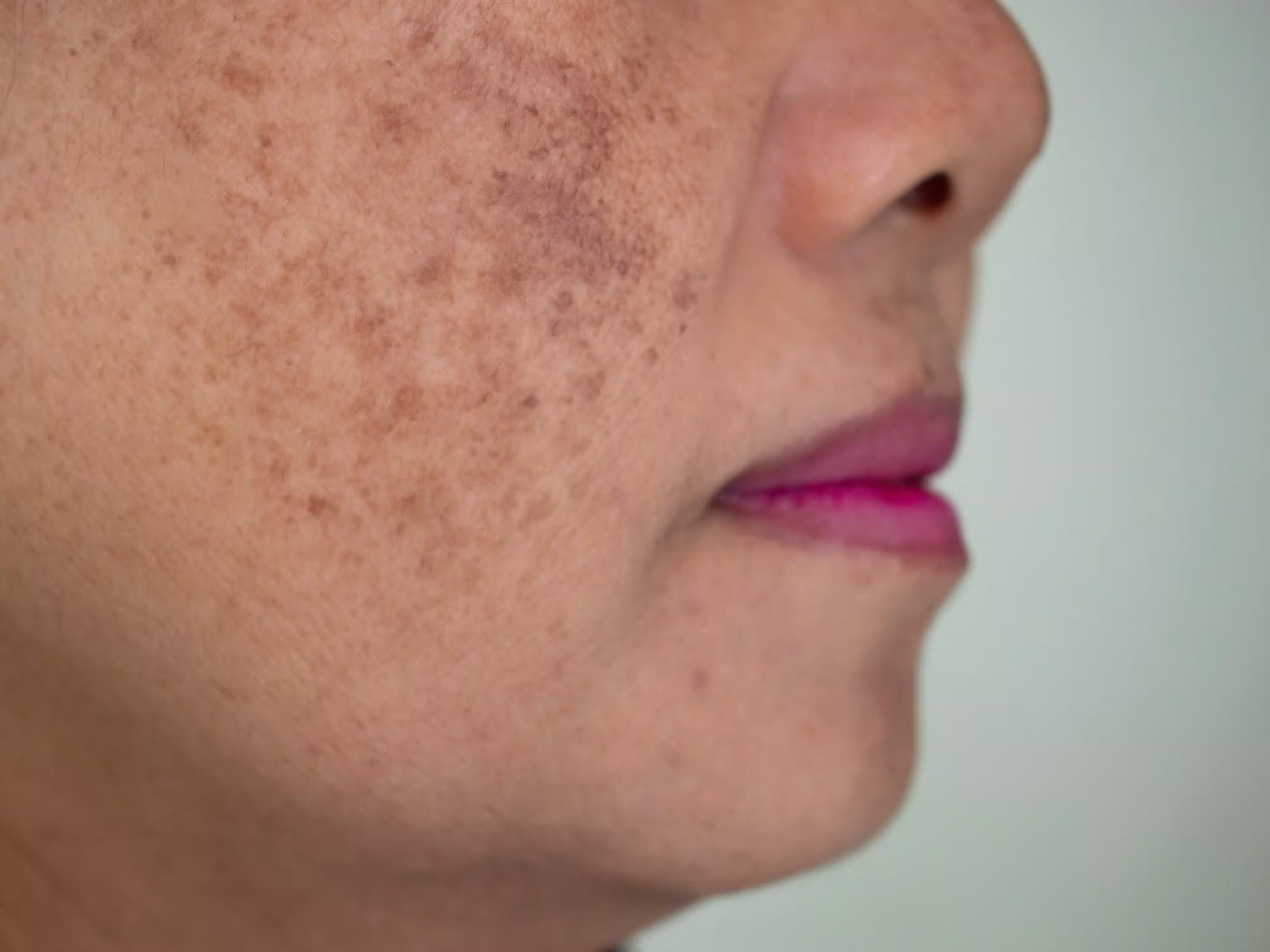
Melasma usually appears as symmetrical brown or grey-brown patches across the cheeks, forehead, upper lip or jawline. It is far more common in women, and more common in medium and deeper skin tones.
Why Melasma Should Be Treated by a Physician
Three reasons.
Used continuously without breaks, some of them cause a permanent discolouration that is far harder to treat than the melasma was.

How We Treat Melasma at Aesha
Treatment runs in three phases.
Skipping the first phase is what causes most melasma treatments to fail.
Four to six weeks of prescription topical therapy before any laser.
This calms the pigment-producing cells so that the treatment settles rather than rebounds.
Depending on your skin this may include topical tranexamic acid, prescription-strength brightening agents, and a tinted mineral sunscreen that also blocks visible light.
Ordinary clear sunscreen does not block visible light, and visible light drives melasma.
A gentle non-ablative laser resurfacing treatment, usually a series spaced around six weeks apart.
Settings are chosen conservatively and adjusted for your skin tone.
With melasma, the goal is steady improvement rather than a dramatic single result, because aggressive treatment is what triggers rebound.
Melasma is a chronic condition.
Once it has cleared, a maintenance routine keeps it that way.
This is the phase most practices leave out, and it is the reason patients so often say their pigment came back within a year.
Ready to take the next step?
Start with a personalized consultation built around your skin.
Safe for Deeper Skin Tones
Melasma is most common in medium to deep skin tones, and those are exactly the patients most often turned away or treated with the wrong settings.
Post-inflammatory hyperpigmentation, where the skin darkens in response to the treatment itself, is a real risk when the plan is not built for the skin in front of it.
Every plan here is built around your skin type from the first consultation, including the preparation phase, the choice of topicals, the laser settings, and the aftercare.


Your first visit
That baseline tells us how deep the pigment sits and lets us track real change rather than guessing.
What to expect
Any Questions?
No, and be cautious of anyone who says otherwise. Melasma is a chronic condition that is managed rather than cured. With the right plan, most patients get substantial lightening and keep it under control with maintenance.
Most melasma plans include prescription topicals. These are prescribed and monitored by Dr. Azam as part of your treatment, and cycled correctly to avoid the complications that come from long-term continuous use.
Expect three to four months for meaningful change. Anything faster usually means the treatment was too aggressive, which is what causes melasma to rebound darker.
Cost depends on how deep the pigment sits and how many treatments you need. You will have a written plan with clear pricing at your consultation before committing to anything.
It can, if the wrong laser or the wrong settings are used, or if the skin has not been prepared first. That is why we spend four to six weeks on topical therapy before any in-office treatment.
It can, particularly with sun and heat exposure, pregnancy or hormonal changes. Maintenance is what keeps it controlled, and it is built into every plan here.
Yes. Melasma is most common in medium and deeper skin tones, and plans here are built around skin type from the start, including preparation, settings and aftercare.

Start Your Melasma Treatment Journey
Melasma can look different on everyone.
Start with a consultation at Aesha Medical Aesthetics to understand your pigmentation and get a plan for your skin, goals, and needs.