
Why Do Lines Around the Mouth Form, and Do Fillers Help?
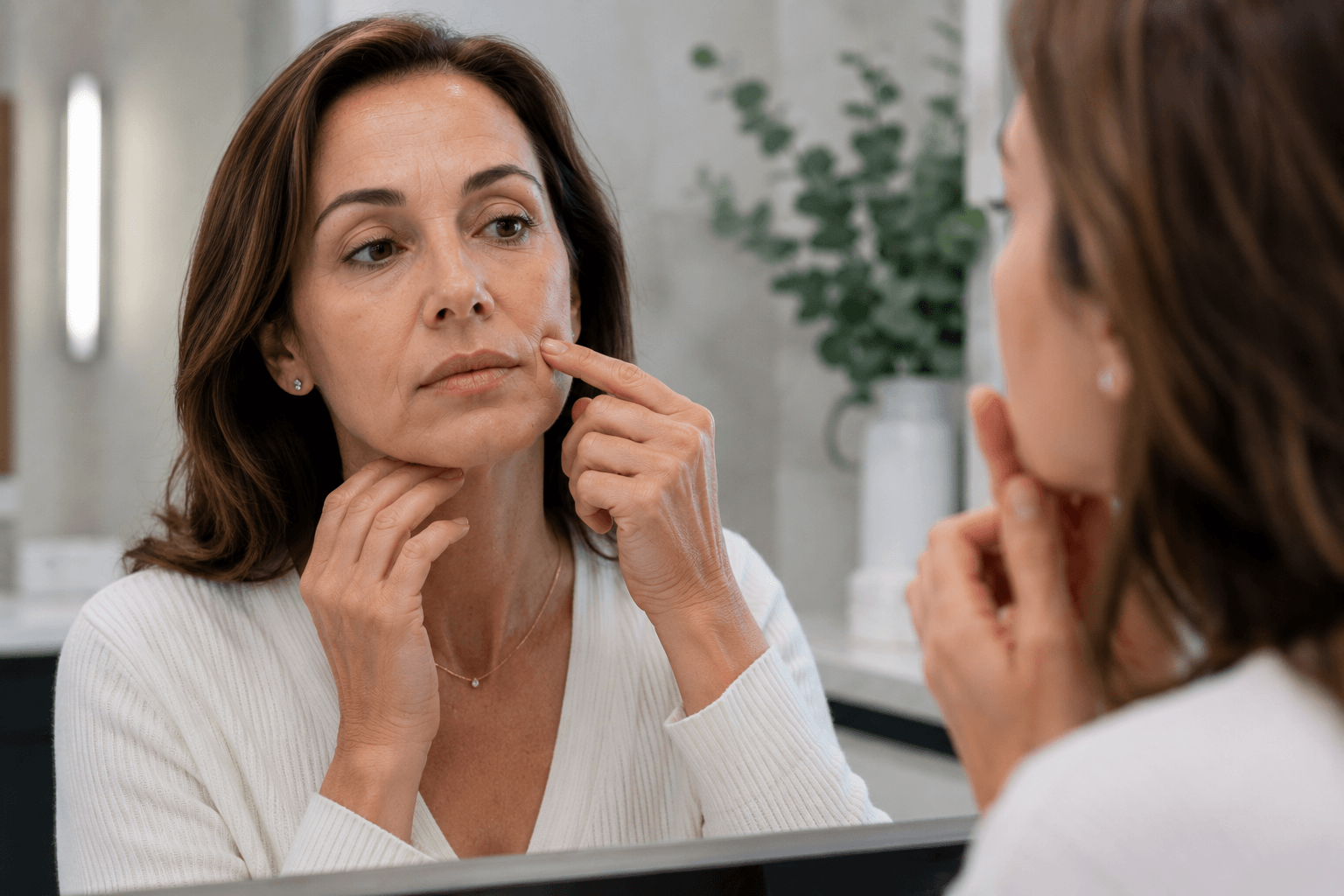
If you have started noticing lines running from the sides of your nose down toward your mouth, or lips that seem a little thinner than they used to be, you are noticing two of the most common signs of facial aging, and two of the concerns that bring the most people in Jacksonville to ask about fillers. These changes tend to sneak up gradually, which is part of why they can feel so surprising once you actually notice them in a photo or mirror.
The good news is that both concerns have a clear cause and a well-established treatment path, so let's break down what is actually happening and what your options look like.
Why Do Nasolabial Folds and Thinning Lips Happen?
These two concerns are related, and they both come back to the same underlying process: the gradual loss of collagen, elastin, and facial volume as we age.
What Causes Nasolabial Folds to Deepen?
Nasolabial folds, the lines running from the corners of the nose to the corners of the mouth, deepen for a few overlapping reasons. As collagen production slows, the cheeks lose some of their support and begin to sag slightly, which pushes tissue downward and makes the fold beneath it more pronounced. Repeated facial movement, sun exposure, and natural volume loss in the midface all contribute as well. It is not caused by one bad habit or product, it is simply a structural change that happens as skin and underlying tissue lose density.
Why Do Lips Get Thinner With Age?
Lips are made up largely of soft tissue and a small amount of natural fat, both of which decrease over time. Collagen loss affects the lip border as well, which is why the edges can look less defined and the overall lip can appear flatter, even if you have not changed anything about your routine. Sun exposure and smoking can accelerate this process, but it happens to some degree in nearly everyone as part of normal aging.
What Are the Early Signs You Might Benefit From Fillers?
A few common signs that patients mention before their first filler appointment include:
- Smile lines or nasolabial folds that are visible even when the face is relaxed
- Lips that look thinner or less full than they did a few years ago
- A flatter, less defined lip border
- Under-eye hollows that make the face look tired
- Cheeks that have lost some of their natural roundness
What Are Dermal Fillers, and How Do They Work?
Fillers are injectable treatments, most commonly made from hyaluronic acid, designed to add volume, smooth lines, and restore contour in areas that have lost structure over time. Because hyaluronic acid naturally occurs in the body, results tend to look soft and natural rather than overdone when the treatment is performed thoughtfully.
At AESHA Medical Aesthetics, dermal filler treatments are used to address a wide range of concerns, from nasolabial folds and thinning lips to volume loss in the cheeks and under-eye area. The practice also offers Radiesse and Skinvive as additional options, giving patients more than one path depending on the texture and longevity they are looking for.
How Do You Know Which Filler Is Right for You?
This is where a proper aesthetic consultation matters most. Different filler formulations are designed for different depths and areas of the face. A filler that works beautifully in the cheeks is not necessarily the right choice for the lips, and vice versa. A qualified provider will assess your specific concerns, your skin's structure, and your goals before recommending a specific product and technique.
Are Fillers Only for Lines and Wrinkles?
Not at all. While fillers are commonly associated with smoothing lines, a large part of their value comes from restoring volume, which indirectly softens lines by supporting the tissue around them. This is why many patients use fillers in the cheeks or midface even if their main concern started with nasolabial folds, since restoring volume higher on the face can reduce the appearance of folds lower down.
What Should You Expect From Filler Treatment?
Most filler appointments take well under an hour, and results are visible immediately, which is one of the biggest differences compared to collagen-stimulating treatments like Sculptra. Mild swelling or bruising at the injection site is common for a few days afterward, but most patients return to their normal routine right away.
How Long Do Fillers Last?
Depending on the product used and the treatment area, results commonly last anywhere from six months to over a year. Areas with more movement, like the lips, tend to metabolize filler a bit faster than areas like the cheeks.
Can Fillers Be Combined With Other Treatments?
Yes, and it is a common approach. Many patients pair fillers with neurotoxins to address both volume-related lines and movement-related lines, or with threads if skin laxity is part of the concern as well. A provider can help map out the right combination and sequence for your specific face.
Why Are Fillers Such a Common Topic in Jacksonville?
Between sun exposure and the natural pace of collagen decline, a lot of Jacksonville residents notice volume-related changes, including nasolabial folds and thinning lips, a bit earlier than they expected. Because fillers offer visible, relatively quick results with minimal downtime, they have become one of the more approachable entry points into aesthetic treatment for people who want a noticeable but natural-looking change.
When Should You Consider Fillers?
If nasolabial folds or thinning lips have started to bother you, or if you simply want to soften a tired look without surgery, that is a reasonable point to book a consultation. There is no need to wait until a concern becomes significant. Many patients find that addressing volume loss earlier leads to more subtle, natural-looking results overall.
Frequently Asked Questions
Do fillers hurt? Most filler treatments involve mild discomfort, and many products include numbing agents to help keep the process comfortable.
How long do lip fillers last compared to cheek fillers? Lip fillers generally last around six months to a year, while cheek fillers, which are in an area with less movement, often last a bit longer.
Will fillers make my face look overdone? Not when performed thoughtfully. A skilled provider focuses on restoring natural volume and proportion rather than overfilling, which is why a proper consultation and an experienced injector both matter.
Can fillers fix nasolabial folds completely? Fillers can significantly soften nasolabial folds by restoring volume in the cheeks and directly in the fold, though results vary based on the severity of the fold and the treatment plan chosen.
Are fillers safe? When performed by a qualified medical professional using approved products, fillers are considered a safe, well-established treatment, though like any procedure there are risks that should be discussed during your consultation.
Filling In the Blanks
Nasolabial folds and thinner lips are not flaws, they are simply your face telling you that some of its natural volume has shifted over time. Fillers offer a straightforward, well-studied way to restore that volume and soften the changes that come with it, without requiring surgery or significant downtime.
If lines around your mouth or thinner lips have been on your mind, the team at AESHA Medical Aesthetics can help you figure out which filler, or combination of treatments, fits your face best.
This article was updated in August 2026 to reflect current treatment options and local Jacksonville insights.