
What's the Difference Between Skin Resurfacing and a Chemical Peel?
Updated August 2026.
If you've spent any time researching how to deal with sun damage, scarring, or rough texture, you've probably run into both "skin resurfacing" and "chemical peel" used somewhat interchangeably. They're related, but they're not actually the same thing, and understanding the difference can save you time, money, and a fair amount of confusion when deciding what your skin actually needs. Here's how skin resurfacing and chemical peels compare, and how to figure out which approach is right for you.
What Skin Concerns Does Resurfacing Actually Treat?
Skin resurfacing is generally used to address deeper, more structural skin concerns, things like fine lines, textural irregularities, acne scarring, sun damage, and enlarged pores. Because resurfacing treatments work by removing or remodeling layers of skin using controlled laser energy, they tend to produce more significant, longer-lasting improvement for these deeper concerns compared to surface-level treatments.
This makes resurfacing a particularly good fit for anyone dealing with more stubborn texture issues that haven't responded well to topical products or lighter treatments alone.
How Is Laser Skin Resurfacing Different From a Chemical Peel?
The core difference comes down to how each treatment works. A chemical peel uses an acid solution to exfoliate the outer layers of skin, encouraging peeling and cell turnover, with the depth of the peel depending on the strength of the solution used. Laser resurfacing, by contrast, uses concentrated light energy to precisely target and remodel skin tissue, often reaching deeper layers than a topical peel can, while also stimulating new collagen production in the process.
In practical terms, chemical peels tend to be a good option for milder concerns like surface dullness or light discoloration, while laser resurfacing is often better suited for more pronounced texture issues, deeper scarring, or significant sun damage.
Which Option Works Better for Deep Texture or Scarring?
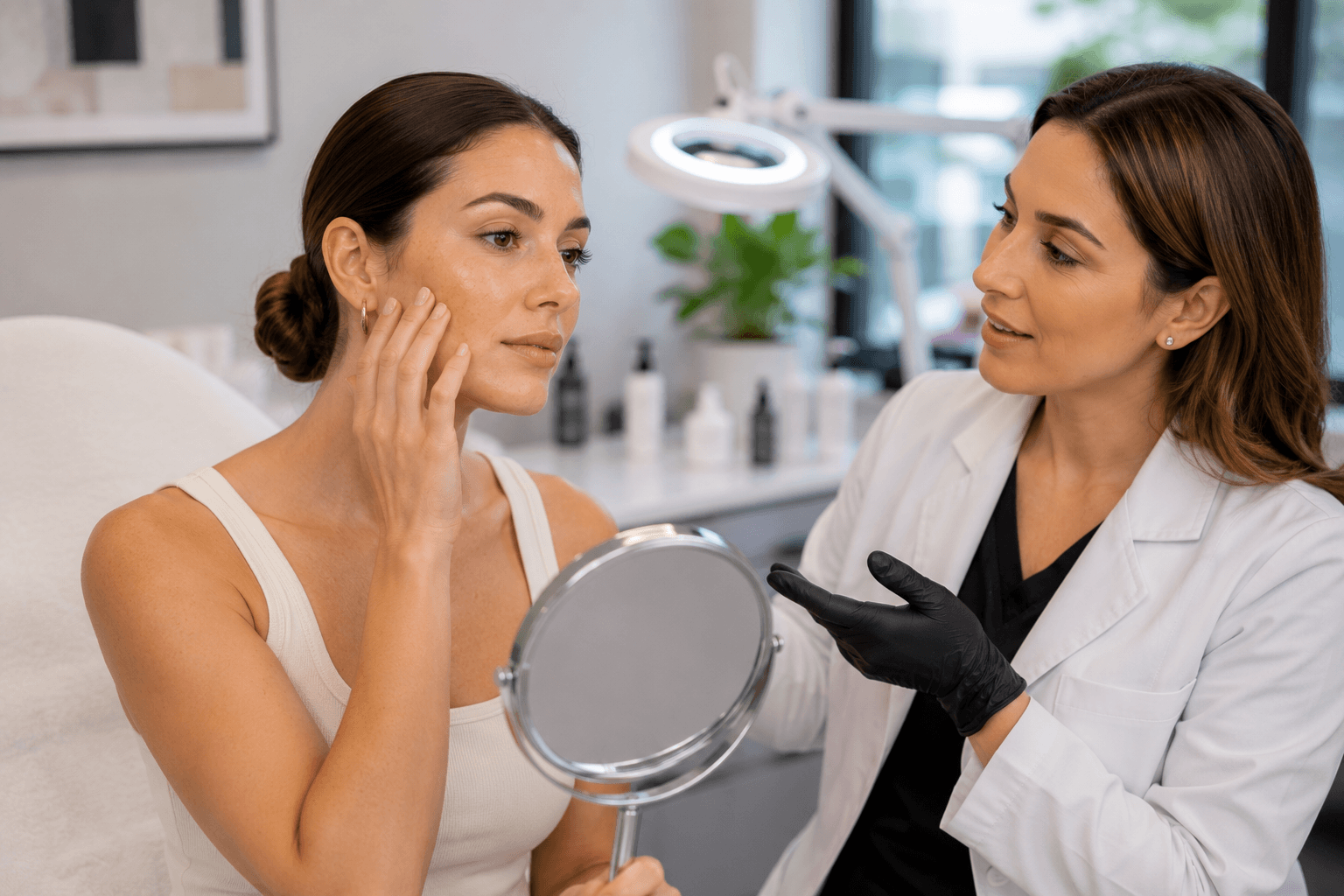
For deeper concerns like pitted acne scarring or significant textural unevenness, laser resurfacing generally has an advantage, since it can reach and remodel deeper layers of tissue that a surface peel typically doesn't affect. That said, the "right" choice still depends on your specific skin type, tolerance for downtime, and the severity of the concern, which is why this is best discussed directly during a consultation rather than decided based on general information alone.
What Happens During a CO2 or Micro Laser Peel Treatment?
Two of the most commonly used resurfacing options are CO2 laser resurfacing and micro laser peels, and while both fall under the resurfacing category, they differ in intensity. CO2 laser resurfacing is a more intensive treatment, often used for deeper wrinkles, more significant scarring, or advanced sun damage, and typically involves a longer recovery period given the depth of treatment. A micro laser peel is a gentler resurfacing option, often chosen for more moderate concerns or for patients wanting meaningful improvement with a shorter recovery window.
During either treatment, a numbing agent is typically applied first, followed by the laser treatment itself, which usually takes anywhere from twenty minutes to an hour depending on the area and intensity level chosen.
How Much Downtime Should You Expect After Skin Resurfacing?
Downtime varies significantly depending on the intensity of the treatment. Micro laser peels often involve a few days of redness and light flaking, similar to a mild sunburn, with most patients comfortable returning to normal activities within a week. More intensive treatments like CO2 resurfacing can involve a longer recovery period, often one to two weeks, with more noticeable redness and peeling as deeper layers of skin heal and regenerate.
Because of this range, it's worth discussing your schedule and tolerance for downtime openly during your consultation, so the treatment plan fits realistically into your life rather than the other way around.
Is Skin Resurfacing Safe for Jacksonville's Sun-Exposed Climate?
This is an important consideration, and one worth taking seriously. Resurfacing treatments make skin temporarily more sensitive to UV exposure while it heals, which matters a great deal in a sunny climate like Jacksonville's. Diligent sun protection following treatment isn't optional, it's essential for both protecting the healing skin and preserving your results long term.
Many patients who pursue resurfacing are specifically addressing the effects of sun damage that's built up over years of Florida living, along with uneven skin tone and texture more broadly. A treatment plan built around skin resurfacing can help address both, though ongoing sun protection afterward plays a major role in how long those results last.
Frequently Asked Questions
Is skin resurfacing more effective than a chemical peel? For deeper concerns like significant scarring or pronounced texture issues, resurfacing generally produces more noticeable results, though peels remain a solid option for milder, surface-level concerns.
How many resurfacing treatments are typically needed? This depends on the specific device and depth of treatment. Some patients see significant results from a single CO2 session, while gentler options like a micro laser peel are often done in a series for gradual improvement.
Can skin resurfacing help with acne scars? Yes, resurfacing is commonly used to improve the appearance of pitted or textural acne scarring by remodeling the deeper layers of affected skin.
Do I need to avoid sun exposure after treatment? Yes, strict sun protection is essential after any resurfacing treatment, both to protect healing skin and to help maintain your results over time.
The Real Difference, Settled
Skin resurfacing and chemical peels both aim to improve your skin's surface, but they get there through very different means, and choosing between them really comes down to how deep your concern goes and how much downtime you're willing to work with. If you've been going back and forth between the two, a consultation is the most reliable way to get a clear, personalized answer rather than guessing based on general comparisons alone.