


Is It Melasma, Sun Damage, or Something Else? A Woman's Guide to Hyperpigmentation
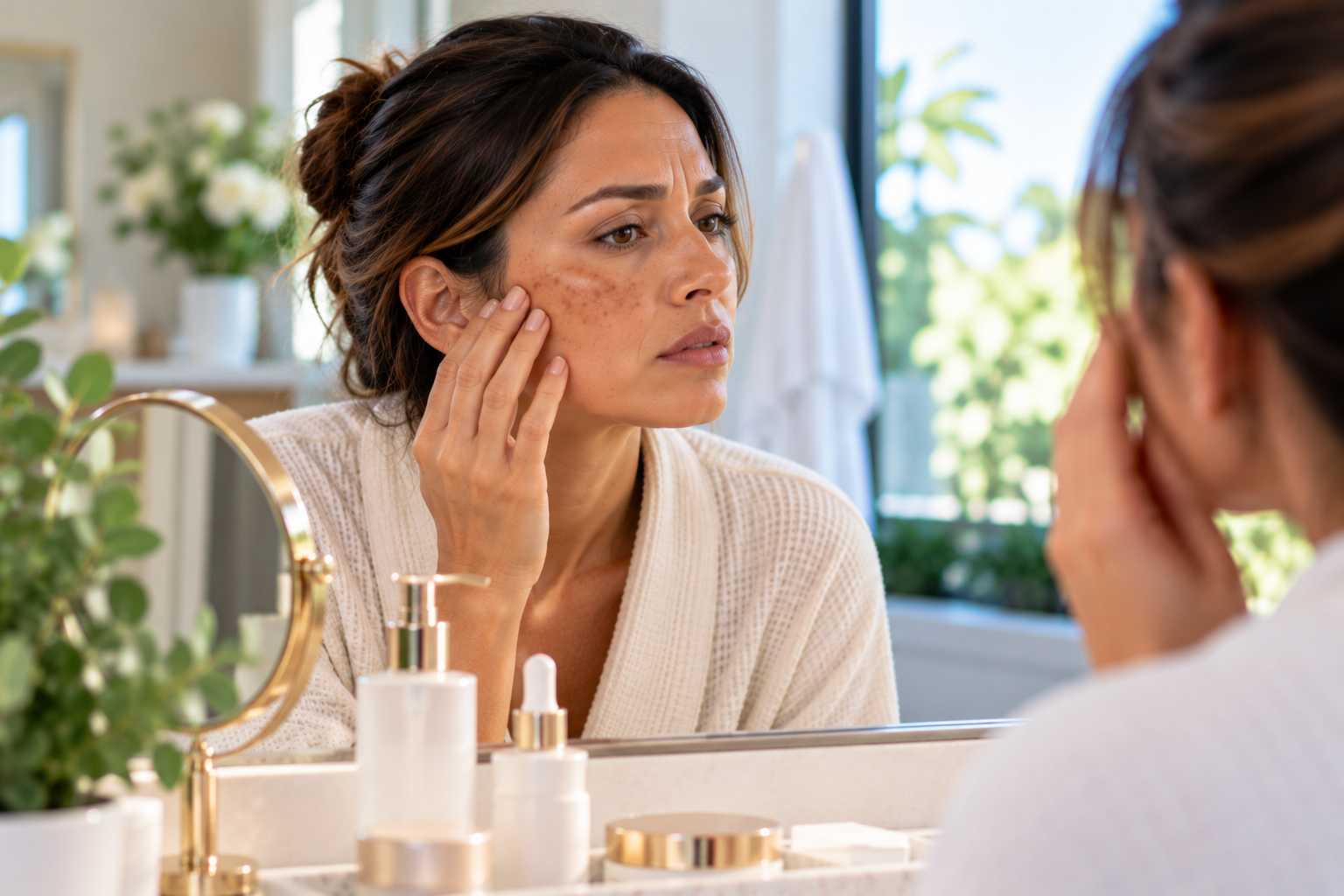
Maybe it appeared during pregnancy. Maybe it showed up after you started a new birth control pill, or it seemed to creep in during your 40s and never left. Whatever the timing, those brown patches across your cheeks, forehead, or upper lip can make you feel like your skin is no longer cooperating.
If the patches are blotchy and appear on both sides of the face, they may be melasma, a hormone-linked form of hyperpigmentation. If they are smaller, well-defined spots on sun-exposed areas, they are more likely sun spots. The difference matters because each is managed differently. In a sunny city like Jacksonville, hormonal triggers meet constant sun, which is why so many women here feel stuck in a cycle of fading and flaring. This guide breaks down the types, what drives them, and how to approach treatment safely.
What Is Hyperpigmentation?
Hyperpigmentation is a general term for areas of skin that look darker than the surrounding skin. It happens when the skin produces extra melanin in response to sun, hormones, inflammation, or injury. It is usually harmless, but it can be persistent and frustrating.
What are the main types women deal with?
- Melasma: symmetrical, blotchy patches on the cheeks, forehead, nose, or upper lip
- Sun spots: defined brown spots from cumulative sun exposure
- Post-inflammatory marks: dark marks after acne, waxing irritation, or skin injury
- Hormonal breakout marks: pigment that lingers along the jaw and chin after cyclical acne
Why Do Women Get Melasma More Than Men?
According to the American Academy of Dermatology, melasma is much more common in women than men, and women between 20 and 40 and people with medium or darker skin tones have a higher risk. Rising estrogen and progesterone during pregnancy are thought to trigger it, and birth control pills can trigger it in some people.
Why is melasma called "the mask of pregnancy"?
Hormone levels rise significantly during pregnancy, and many women notice dark patches on the face during that time. For some, melasma fades after delivery. For others, it lingers for years or returns with later pregnancies.
Can midlife hormone changes play a role?
Many women notice changes in their skin during hormonal transitions, and decades of accumulated sun exposure tend to surface around the same time. In your 40s, it is common to see a mix of melasma and sun spots, which makes a careful diagnosis especially important.
Does sunlight make melasma worse?
Yes. The AAD explains that sunlight causes the skin to make more pigment, which can darken existing melasma and cause new patches. Visible light can also contribute to dark spots, which is why dermatologists often recommend tinted sunscreens with iron oxide. For women in Jacksonville, every school pickup, outdoor lunch, and afternoon at the beach counts.
How Can You Tell Melasma Apart From Sun Damage?
Melasma usually appears as larger, symmetrical patches with soft edges, while sun spots are smaller, more defined, and scattered. Melasma often shows up on both cheeks in a matching pattern. Sun spots appear wherever the sun hits most, including the hands, chest, and shoulders.
Why does getting the diagnosis right matter so much?
Because the approach that works well for sun spots may not be the best choice for melasma. Melasma can be stubborn, and some procedures can irritate the skin, so treatment choices need extra care. A skin analysis helps reveal pigment below the surface so your provider can choose a safer path.
Who Is at Higher Risk for Hyperpigmentation?
Women with medium to deeper skin tones, a family history of melasma, frequent sun exposure, or recent hormonal changes face a higher risk. Acne and other inflammatory skin conditions also raise the chance of post-inflammatory marks.
Is hyperpigmentation different on deeper skin tones?
Yes. Medium and deeper skin tones tend to react to inflammation and injury by producing more pigment. A breakout, a minor burn, or an irritating product can leave a mark that lingers far longer than it would on lighter skin. The AAD's guide to fading dark spots in darker skin tones recommends gentle, fragrance-free products and warns against unregulated imported creams that may contain hidden steroids or mercury.
Can stress and lack of sleep play a role?
Stress can trigger breakouts and picking habits that lead to marks. Many women juggling careers, family, and caregiving notice their skin flares during their busiest seasons. Supporting your overall health is a quiet but meaningful part of keeping pigment under control.
Are certain skin care habits making it worse?
Harsh scrubs, frequent at-home peels, and fragrance-heavy products can irritate skin and trigger more pigment. Picking at breakouts is one of the biggest culprits behind marks that last for months.
What Is the Best Treatment for Hyperpigmentation?
The best treatment for hyperpigmentation combines sun protection, gentle pigment control, and carefully selected in-office procedures. Melasma in particular is managed rather than cured, so a long-term, layered approach usually works best.
How does AESHA approach melasma?
At AESHA Medical Aesthetics, melasma is treated as a physician-managed condition rather than a one-session fix. As outlined on our sun damage page, a plan may include prescription topical therapy such as topical tranexamic acid and brightening agents, a tinted mineral sunscreen that blocks visible light and UV, and non-ablative laser sessions spaced about six weeks apart, followed by a maintenance phase. The AAD's overview of melasma treatment also emphasizes that sun protection helps fade melasma and keep it from returning.
Which in-office treatments help with sun spots and uneven tone?
For pigment caused mainly by sun exposure, options may include BBL HEROic, the gentle MOXI laser, and the VI Peel. Each is chosen based on your skin tone, your downtime, and whether melasma is also present.
Can facials help with hyperpigmentation?
A customized facial can support calmer, brighter-looking skin, especially between stronger treatments. Gentle care also helps keep irritation, a common pigment trigger, to a minimum.
How should you compare providers?
Some women first explore pigment treatments through national brands such as Ideal Image. Whatever provider you consider, ask how they screen for melasma, which technology they recommend for your skin tone, and whether a physician oversees your plan. With hyperpigmentation, how the plan is chosen matters as much as the device.
What Can You Do at Home to Support Results?
Daily habits make or break pigment treatment. The most effective steps include:
- Wearing a tinted mineral SPF 30 or higher every morning
- Reapplying sunscreen when outdoors, especially near the water
- Wearing a wide-brimmed hat and seeking shade during peak hours
- Using only the brightening products your provider recommends
- Avoiding picking, harsh scrubs, and very hot water on the face
How Long Does It Take to See Results?
Pigment fades gradually. The AAD notes that dark spots a few shades darker than your skin can take 6 to 12 months to fade, and deeper discoloration can take longer. Sun spots may respond faster to light-based treatment, while melasma tends to improve slowly over months. Pushing treatments too hard or too often can work against you.
Planning with the seasons also helps. In Jacksonville, fall and winter are a smart time to start a series, since sun exposure tends to be lower before spring and summer return.
When Should You Seek Professional Treatment?
You should see a professional if pigment has lasted more than a few months, keeps returning, or is affecting your confidence. A spot that looks irregular, changes quickly, or bleeds should be evaluated by a dermatologist right away. An aesthetic consultation is a great first step for building a personalized plan.
Frequently Asked Questions
Can hyperpigmentation go away on its own?
Post-inflammatory marks often fade over several months. Melasma and sun spots are less likely to disappear without treatment and consistent sun protection.
Is melasma permanent?
Melasma can be long-lasting, and it may return with sun exposure or hormonal changes. Many women see meaningful improvement with consistent care, sun protection, and maintenance.
Can I treat melasma while pregnant or breastfeeding?
Many treatments are postponed during pregnancy and breastfeeding. Gentle skin care and strict sun protection are usually the focus until your provider approves other options.
Does birth control cause hyperpigmentation?
Birth control pills can trigger melasma in some people. Talk with your prescribing physician before making any changes to your medication.
What is the safest laser for hyperpigmentation?
There is no single safest laser for everyone. The right choice depends on your skin type and the type of pigment, and a qualified provider should make that call after evaluating your skin.
Patchy Skin, Clear Plan: Let's Turn Down the Pigment
Hyperpigmentation can feel like a moving target, especially when hormones and Florida sunshine are working against you. The real breakthrough usually comes from understanding exactly what type of pigment you have and treating it with patience and precision.
To explore a plan designed around your skin and your stage of life, visit AESHA Medical Aesthetics in Jacksonville, read about our uneven skin tone and texture treatments, or contact us to book with Dr. Rubina Azam.