
Why Is Your Jawline Sagging, and Can Threads Help?
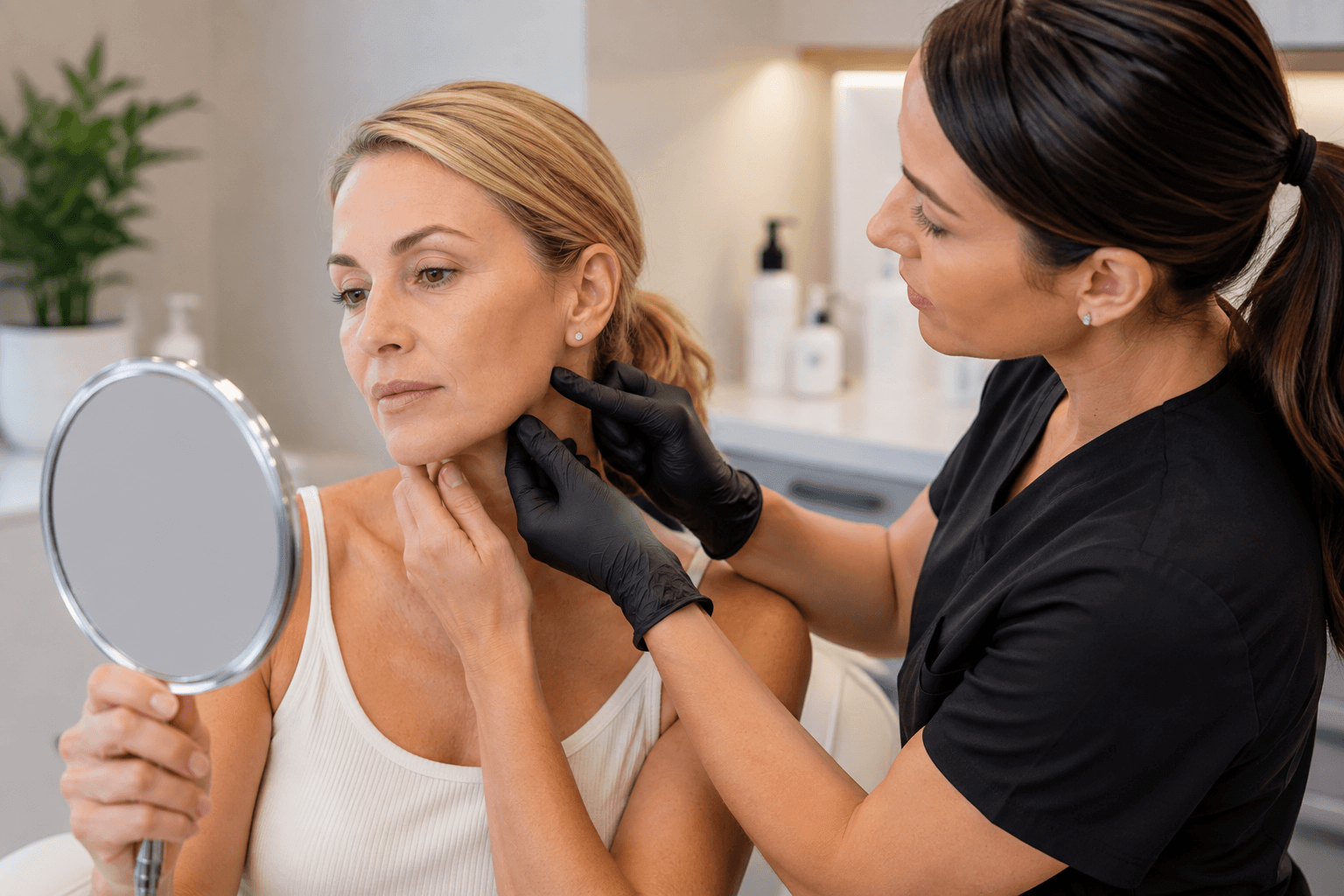
There is a specific moment a lot of people describe when they first notice their jawline changing. It might be a video call where the camera angle is unforgiving, or a photo where the jaw looks softer than they remember, or simply looking down and noticing a bit of fullness where there used to be a clean line. It is not weight gain, and it is not something a new skincare product is going to fix. It is skin laxity, and it is one of the most common concerns bringing people in Jacksonville to ask about threads.
If you have been noticing your jawline, cheeks, or under-chin area softening earlier than expected, you are not imagining it, and you are definitely not alone.
What Causes Skin to Lose Its Lift Along the Jaw and Cheeks?
Skin does not sag because of a single cause. It is the combined effect of several things happening underneath the surface, most of which start well before they become visible.
Why Does Skin Laxity Happen in the First Place?
Collagen and elastin, the proteins responsible for keeping skin firm and bouncy, naturally decline starting in the mid-twenties and continue dropping through the following decades. At the same time, gravity is quietly doing its work every single day, pulling on tissue that has less structural support than it used to. Add sun exposure, which is a near-constant factor in Jacksonville, and the breakdown accelerates even further. Genetics, hydration, smoking history, and significant weight changes can all speed things up or slow them down too.
What Are the Early Signs of Skin Laxity?
Before a full "jowl" or noticeable sag develops, most people notice smaller signs first, including:
- A jawline that looks less sharp in photos, especially from certain angles
- Slight fullness under the chin that was not there a few years ago
- Cheeks that seem to sit a little lower on the face
- Skin that creases more easily and takes longer to bounce back
- A general sense that the face looks "tired" even when you are not
Catching these early changes is exactly when a treatment like threads tends to work best, since the goal is to support and lift tissue before it loses significant structure.
What Are Threads, and How Do They Work?
Threads are dissolvable sutures inserted beneath the skin to create a lifting and tightening effect, both immediately and over time. Beyond the physical lift, the threads stimulate the body's own collagen production as they dissolve, which means the results continue to improve gradually rather than disappearing the moment the initial effect fades.
At AESHA Medical Aesthetics, thread treatments are commonly used to address the jawline, cheeks, and neck area, making them a popular option for patients who want visible lifting without the downtime or commitment of surgery.
How Is a Thread Lift Different From a Surgical Facelift?
This is one of the first questions most patients ask, and it makes sense. A surgical facelift involves incisions, anesthesia, and a lengthy recovery, and it is generally reserved for more advanced skin laxity. Threads, on the other hand, involve a much less invasive process with minimal downtime, and they are often a better fit for patients who are noticing early to moderate sagging rather than significant looseness.
Neither option is universally "better." It depends on where you are with your skin right now, which is why an honest conversation with a provider matters more than following a trend you saw online.
Who Is a Good Candidate for Threads?
Good candidates typically have mild to moderate skin laxity along the jaw, cheeks, or neck, along with skin that still has enough elasticity to respond well to the lifting effect. Patients who have significant sagging or excess skin may get better results from a different approach, or from combining threads with another treatment such as Sculptra for volume support or skin tightening for additional firmness. This is exactly the kind of decision that benefits from a proper aesthetic consultation before moving forward.
What Should You Expect From a Thread Treatment?
Most patients describe the appointment itself as quick, generally under an hour depending on the areas treated. There can be some mild swelling, tenderness, or a pulling sensation for the first several days, which is normal as the tissue adjusts.
How Long Do Results Last?
Results generally build over the following weeks as collagen production increases, with the lifting effect commonly lasting several months to over a year depending on the treatment area, the number of threads used, and individual factors like skin quality and lifestyle. Many patients choose to repeat treatment periodically to maintain results, similar to how other collagen-stimulating treatments work over time.
Can Threads Be Combined With Other Treatments?
Yes, and this is actually one of the more effective strategies for facial aging in general. Since laxity, volume loss, and fine lines often happen together, many patients pair threads with dermal fillers to restore lost volume in the cheeks, or with neurotoxins to soften the fine lines that can accompany a sagging jawline. A provider can help map out the right order and combination based on your specific concerns.
Why Are More People in Jacksonville Asking About Threads?
Jacksonville's warm, sunny climate means residents spend a lot of time outdoors year-round, which contributes to earlier collagen breakdown from UV exposure. Combine that with a growing interest in treatments that offer visible results without the downtime of surgery, and it makes sense that threads have become a common topic of conversation among patients who want to address sagging skin proactively rather than waiting for it to become more pronounced.
When Should You See a Professional About Sagging Skin?
If you have noticed changes to your jawline or cheeks that bother you, especially if they have appeared earlier than you expected, it is worth getting a professional opinion rather than assuming your only options are surgery or doing nothing. A qualified provider can assess your skin's elasticity, discuss realistic expectations, and let you know honestly whether threads, fillers, or another approach makes the most sense for your face.
Frequently Asked Questions
Do threads hurt? Most patients describe mild discomfort rather than significant pain, and topical or local anesthesia is typically used to keep the procedure comfortable.
How soon will I see results from threads? There is often a visible lift right after treatment, with continued improvement over the following weeks as collagen builds up around the threads.
Are threads permanent? No. The material dissolves over time, and results typically last from several months to over a year, though the collagen stimulation can provide lasting benefits even after the threads themselves have fully dissolved.
What is the recovery time for threads? Downtime is generally minimal. Most patients return to normal activities within a day or two, though it is common to avoid strenuous exercise or extreme facial movements for a short period afterward.
Can threads help with a double chin or jowls? Threads can help lift and tighten the area, but the right treatment depends on how much laxity or fullness is present. A consultation can determine whether threads alone, or a combination approach, is the better fit.
Lifting Your Spirits (and Your Jawline)
A softer jawline does not mean you have run out of options, it just means your skin is asking for a little support. Threads offer a way to work with your skin's natural ability to rebuild collagen, giving you a lift that develops gradually rather than announcing itself overnight.
If you have been noticing changes along your jawline, cheeks, or neck, the team at AESHA Medical Aesthetics can help you figure out whether threads are the right fit, or whether a combination approach would serve you better.
This article was updated in August 2026 to reflect current treatment guidance and local Jacksonville trends.